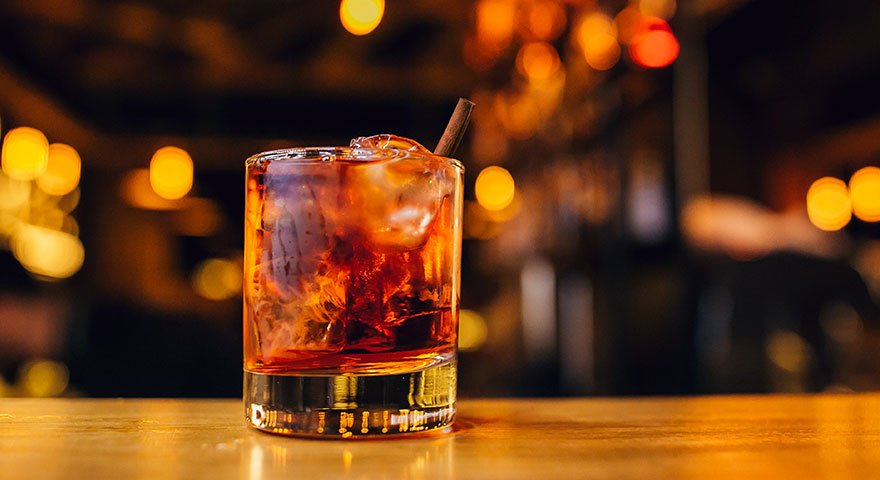
If tequila is the drink of the victory party, whiskey is the drink of the debrief — the glass that appears when the season is over, the pads are hung up, and there is finally time to sit still. It suits the second act of an athlete's life so well that some of the most famous names in sport stopped merely drinking it and started making it.
David Beckham got there early. In 2014 he partnered with Diageo to launch Haig Club, a single grain Scotch whisky from Cameronbridge, one of Scotland's oldest distilleries, packaged in a square cobalt-blue bottle that looked more like a fragrance than a dram. Purists sniffed; the market did not. Haig Club was engineered to bring new drinkers — younger, more global, more style-conscious — into Scotch, and Beckham, the most brand-literate footballer of his generation, was precisely the right doorman.
Conor McGregor, characteristically, made more noise. His Proper No. Twelve Irish whiskey, named for the Dublin 12 postcode of his native Crumlin, launched in 2018 and rode his fame to enormous early sales before he sold his majority stake to Proximo Spirits in a deal reported at hundreds of millions of dollars. Whatever you think of McGregor, the playbook was flawless: fight-week promotion, national pride, an accessible blend at an accessible price.
The quietest and perhaps most charming entry belongs to American football and tennis: Sweetens Cove, a Tennessee bourbon named after a beloved nine-hole golf course, counts Peyton Manning and Andy Roddick among its celebrity co-owners. It began as a cult release blended by master blender Marianne Eaves, and it captures the real culture of athlete whiskey drinking better than any billboard: friends, golf, and a good pour afterwards.
Whiskey suits the second act of an athlete's life: the glass that appears when there is finally time to sit still.
The clubhouse pour
Golf explains a lot of this chapter. The nineteenth hole is the one arena where athletes from every sport meet as amateurs, and its house spirit has always been whiskey. Add the locker-room cigar-and-dram tradition after championship wins, and the retirement-age pivot toward slower pleasures, and you get a category with a deep, genuine claim on sports culture — older than the tequila wave by a century.
Three whiskeys, properly dressed
The cocktails below are the load-bearing classics of the category. The old fashioned is the drink the entire cocktail revival was rebuilt around. The whiskey sour, made properly with fresh lemon, is the sport-adjacent drink par excellence — bright, quick, and honest. The penicillin, a modern classic invented by bartender Sam Ross in New York in the mid-2000s, adds ginger, honey and a smoky Scotch float, and has become the connoisseur's handshake.
- 2 oz (60 ml) bourbon or rye
- 1 tsp sugar syrup (or a sugar cube)
- 2–3 dashes Angostura bitters
- Orange peel
Stir spirit, syrup and bitters with ice until well chilled, strain over one large cube, express the orange peel. The drink the entire cocktail revival was rebuilt around — and the correct first test of any athlete-owned bourbon.
- 2 oz (60 ml) bourbon
- ¾ oz (20 ml) fresh lemon juice
- ¾ oz (20 ml) sugar syrup
- Optional: ½ egg white or aquafaba
Dry-shake (no ice) if using egg white, then shake with ice and strain. Bright, quick and honest — fresh lemon is non-negotiable, sour mix is a personal foul.
- 2 oz (60 ml) blended Scotch
- ¾ oz (20 ml) fresh lemon juice
- ¾ oz (20 ml) honey-ginger syrup
- ¼ oz (7 ml) smoky Islay Scotch, floated
- Candied ginger to garnish
Shake the first three with ice, strain over a big cube, float the smoky Scotch on top. Sam Ross's modern classic: the sports-medicine name is a coincidence, the recovery-room warmth is not.
Reading the label like a scout
Athlete-owned whiskeys span the full quality spectrum, so scout them like prospects: ignore the name on the front and read the back. Age statements, cask types, and the distillery of origin tell you more than any endorsement. Beckham's bottle taught a generation that Scotch could be approachable; Manning's taught that celebrity bourbon could be genuinely excellent. The glass, as always, keeps the only stats that matter.
Next stop: the drink athletes don't just own but obsessively collect — wine.
Next — Chapter 04 / 10From Court to Cellar